Critical Materials for Advanced Nuclear Systems
EnergyX, a lithium extraction company expanding into critical nuclear materials, is developing technologies that enable next generation nuclear systems.. This includes producing lithium isotopes, as well as pursuing uranium and thorium; all essential for advanced reactors. Our technology platform will support extraction and refining of these critical materials needed for both fusion and fission reactors envisioned to power the new age of artificial intelligence.
Critical Materials for Advanced Nuclear Systems
EnergyX is developing technologies and materials that enable next generation nuclear systems. This includes producing lithium isotopes, as well as pursuing uranium and thorium; all essential for advanced reactors. Our technology platform will support extraction and refining of these critical materials needed for both fusion and fission reactors envisioned to power the new age of artificial intelligence.
Nuclear Power is Becoming Essential for Artificial Intelligence Infrastructure
AI data centers are triggering an unprecedented surge in electricity demand. The world’s largest technology companies are moving decisively toward nuclear power to secure reliable, carbon-free baseload energy at scale. These nuclear reactors require an array of critical materials including lithium, uranium, and thorium.
Introducing NUKE-it™
The EnergyX Nuclear Materials Platform
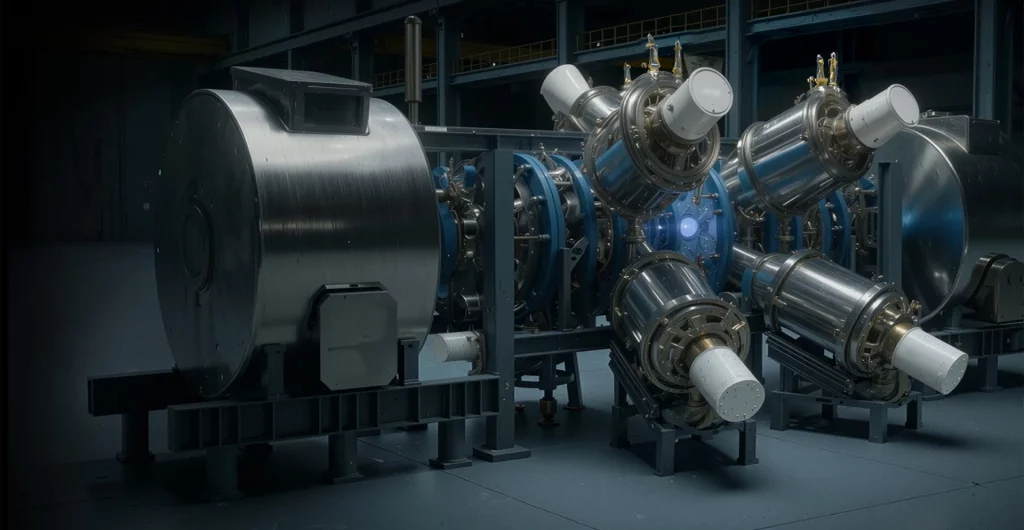
NUKE-it™ is EnergyX’s nuclear platform, designed to enable secure and scalable access to critical nuclear materials, leveraging deep expertise in separation science, electrochemical processing, and materials engineering.
EnergyX Is Engineering the Materials Foundation for the Nuclear Supply Chain
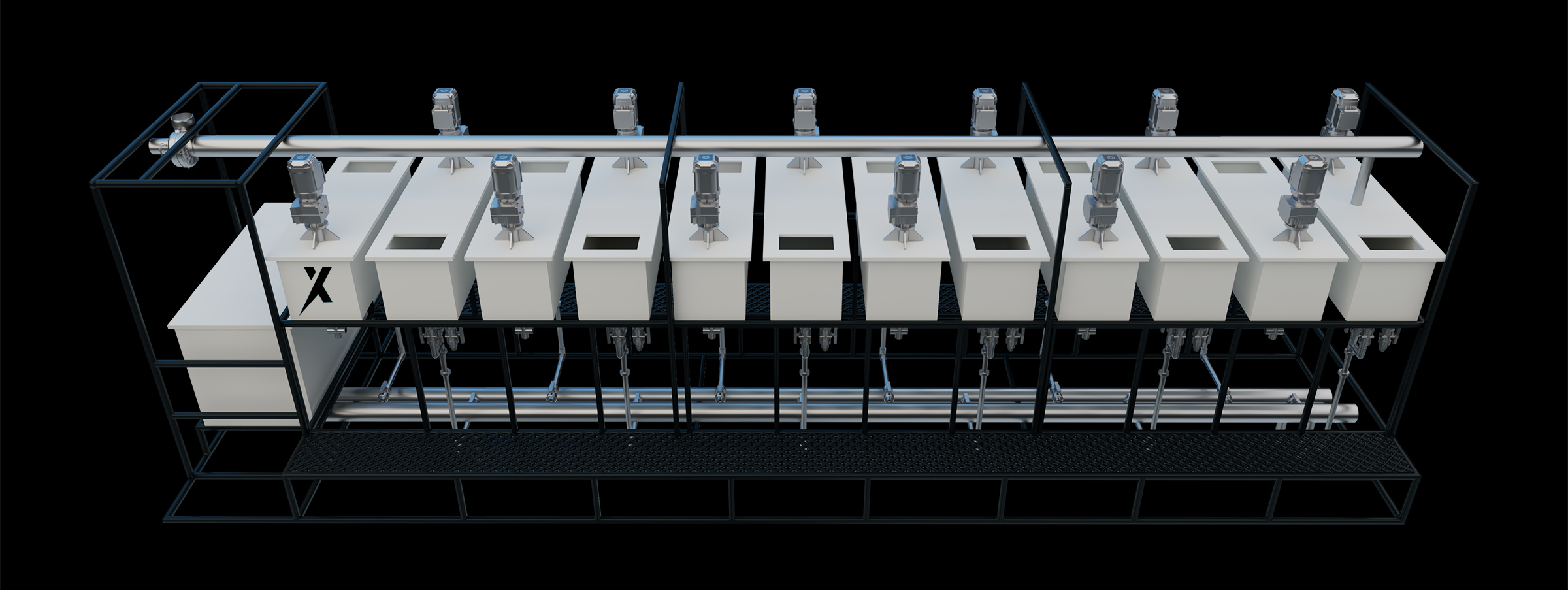
EnergyX is building a vertically integrated platform that addresses the hardest problem in nuclear energy expansion: materials availability.
Lithium 6 & 7
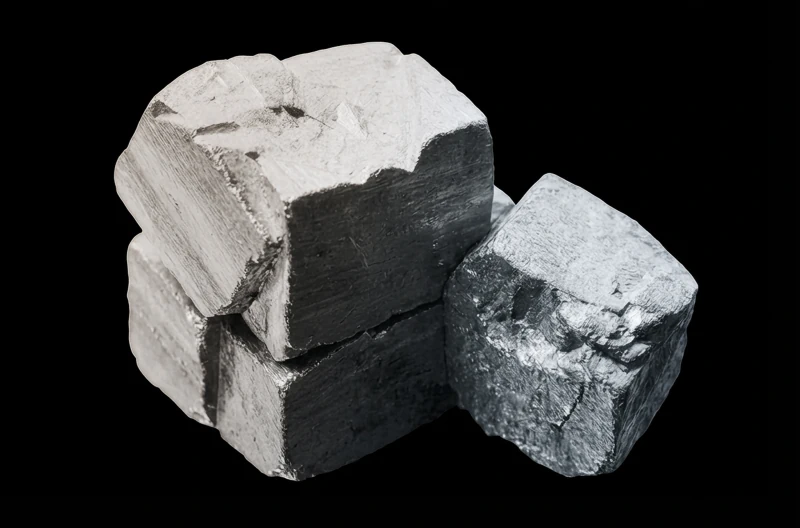
Lithium-6 and Lithium-7 are critical isotopes used in advanced nuclear and energy systems, from tritium production and fusion research to specialized reactor and national security applications. As demand for next-generation nuclear technologies and secure domestic supply chains grows, these isotopes are becoming strategic materials for both clean energy and defense infrastructure.
Quick Facts
Atomic Number
3
Primary Use
Tritium production, fusion, advanced reactor
Atomic Weight
6.015 / 7.016
Processing Need
High-precision isotope separation
Thorium
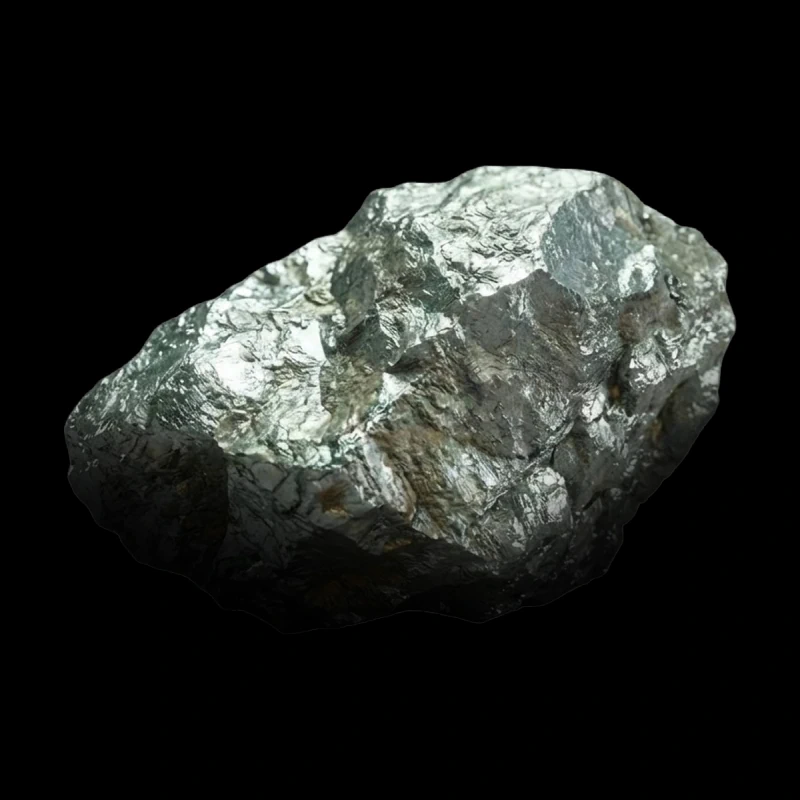
Thorium is a naturally abundant radioactive metal being explored as an alternative nuclear fuel that can produce clean, reliable energy with lower long-term waste and strong safety potential. Its use in advanced reactor designs, such as molten salt systems, positions thorium as a promising pathway for next-generation, secure, and scalable nuclear power.
Quick Facts
Atomic Number
90
Primary Use
Fuel
Atomic Weight
232.04
Availability
3–4× more abundant than uranium
Uranium
Uranium is the primary fuel for nuclear reactors, providing the energy source that enables steady, carbon-free electricity generation at scale. As global demand for reliable, low-emission power and advanced reactors grows, secure uranium supply has become a strategic priority for energy security and national infrastructure
Quick Facts
Atomic Number
92
Primary Use
Fuel
Atomic Weight
238.03
Energy Density
High Density
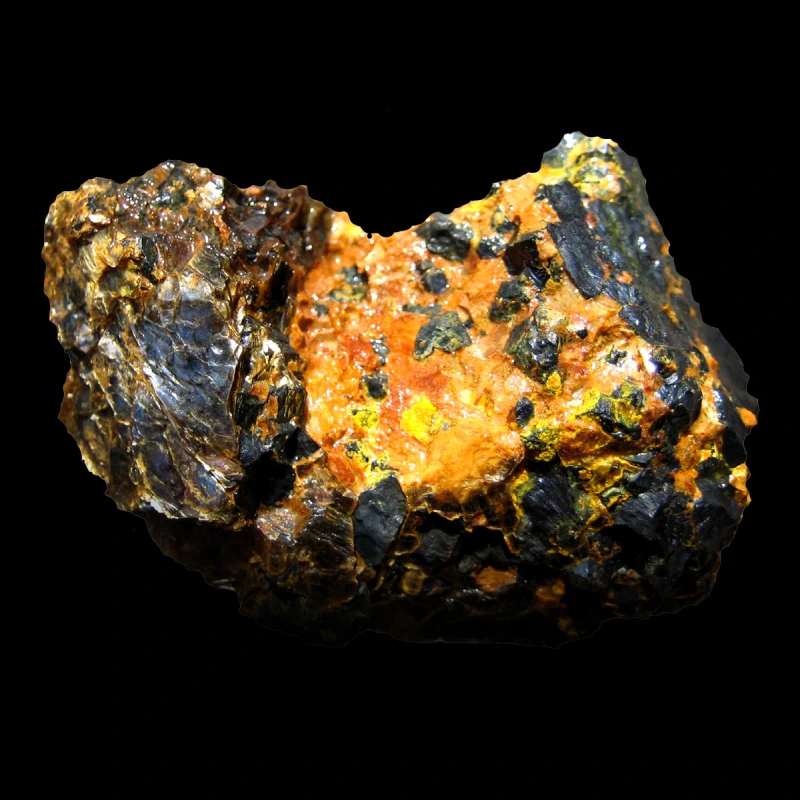
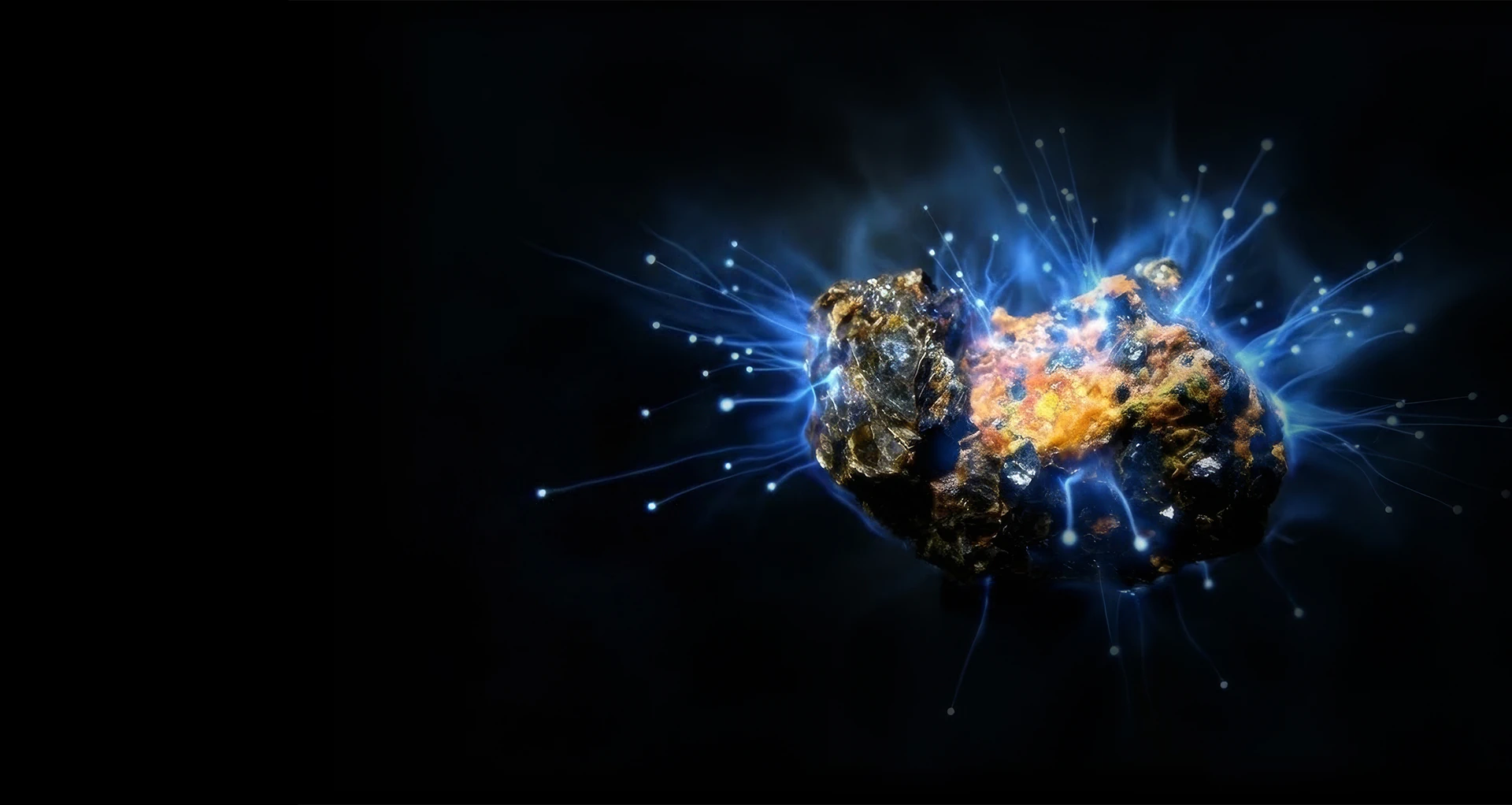
Uranium emitting alpha particles through cooled ethanol vapor creating visible condensation trails.
Lithium Materials Engineered for the Future of Nuclear Power
EnergyX is developing advanced lithium materials and isotopes, as well as pursuing thorium and uranium materials and technologies that enable both forms of next generation nuclear systems. Our platform supports fusion, molten salt reactors, high temperature fission, and national laboratory research by supplying the critical materials these technologies require.
Fusion
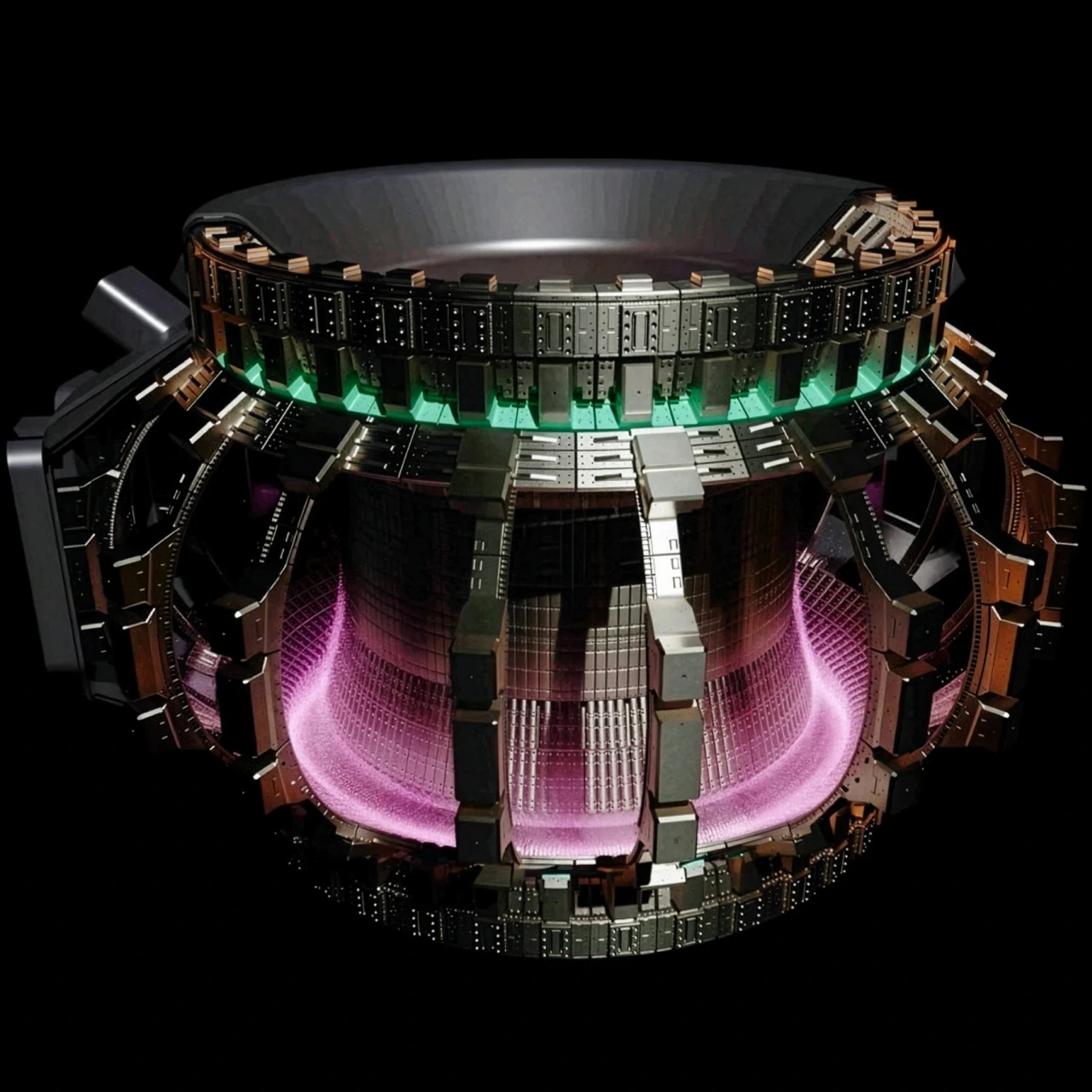
A tokamak reactor is one of the most highly pursued fusion reactor types. It is a magnetic confinement fusion reactor that uses extremely strong magnetic fields to confine a super-hot plasma in a donut-shaped (toroidal) chamber. The goal is to hold plasma hot and dense enough, for long enough, that deuterium–tritium (D-T) fusion occurs continuously. Deuterium and tritium gas are injected, gas is ionized into plasma, and temperatures reach ~100 million °C. Tritium, the main fuel source of fusion reactors, is bred from Lithium-6.
While fusion physics is largely solved. Materials science is the real barrier. The key challenges include Lithium-6 supply chains, which is necessary for producing tritium, and then tritium handling systems. From a business and strategic perspective, Lithium-6 is just as important to fusion as uranium enrichment is to fission. Vertical integration of lithium → isotope separation → breeding blankets is a major moat. Companies with lithium reserves and isotope capability have a major advantage.
Fission
A fission reactor generates heat by splitting heavy atomic nuclei (primarily uranium or thorium) into smaller atoms. Each fission releases large amounts of heat, and neutrons that can trigger additional fissions (a chain reaction). That heat is then converted into electricity using steam turbines—similar to fossil power plants, but with nuclear fuel as the heat source, making it very clean with zero carbon emissions.
The most common fission reactor uses uranium-235 (U-235), however newer advanced reactors are looking at using thorium as well. The advantages of Thorium are its ~3–4× more abundant than uranium, produces less long-lived transuranic waste, is an excellent neutron economy, and has lower plutonium production. Thorium is typically used in molten salt fission reactors.
The general fuel cycle steps for uranium are as follows:
- Mining (uranium ore)
- Conversion to UF₆
- Enrichment
- Fuel fabrication (ceramic UO₂ pellets)
- Reactor use
- Spent fuel storage or reprocessing
Fission vs Fusion (Materials Perspective)
Category
Fission
Fusion
Primary Fuel
Uranium / Thorium
Deuterium / Lithium-6
Fuel Availability
Limited but Scalable
Very Large
Waste
Long-lived
Shorter-lived
Commercial Maturity
High
Low
Energy Density
Extremely High
Even Higher

The World’s Largest Companies Are Betting on Nuclear
Leading technology companies are investing billions in nuclear energy to support AI infrastructure growth. These commitments signal a structural shift. Nuclear is no longer a legacy energy source. It is becoming core digital infrastructure.

Contracted 960 MW of nuclear capacity to support cloud and AI operations.

Signed agreements supporting the restart of an 835 MW nuclear reactor to supply carbon-free electricity.

Announced nuclear agreements totaling up to 6.6 GW by 2035 to support future AI data center demand.

Committed to advanced nuclear development with plans to deploy up to 500 MW by 2035.